Archery Ranges in Hidden Parisian Parks Fueling Precision Focus Among Office Workers
Jonas Vogel · Nov 10, 2026
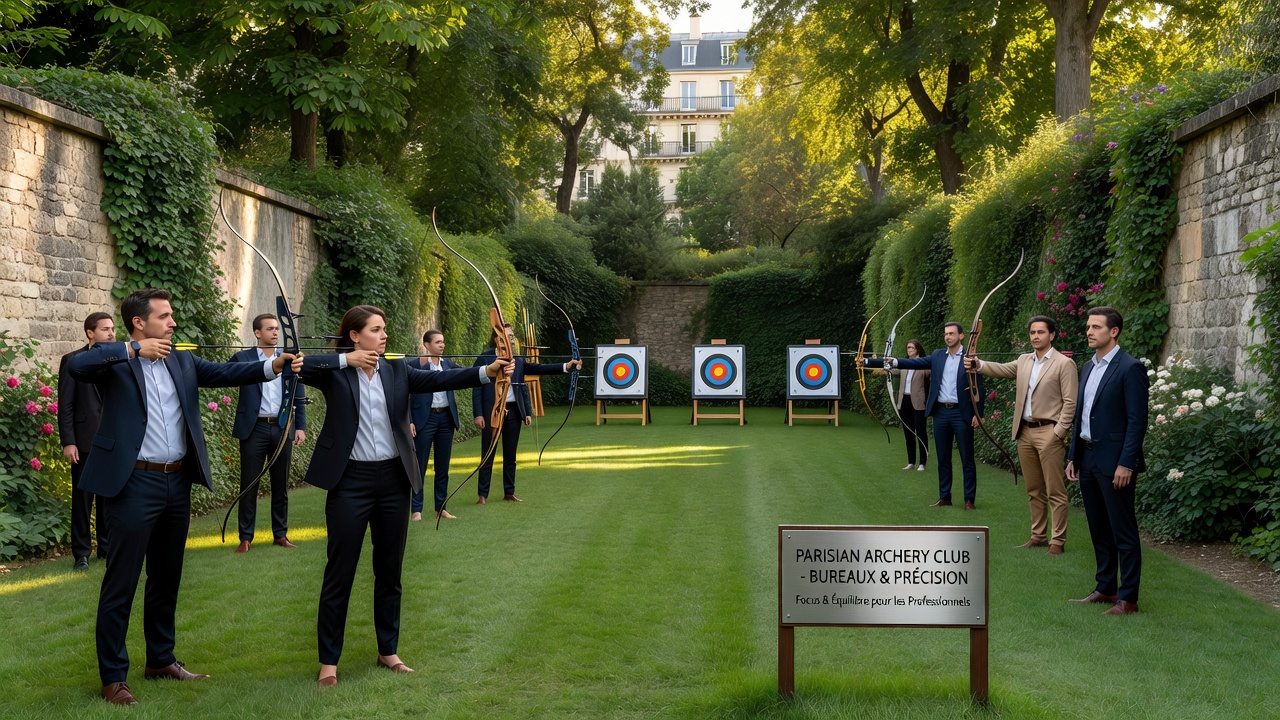
Archery Ranges in Hidden Parisian Parks Fueling Precision Focus Among Office Workers
Archery ranges tucked into lesser-known Parisian parks have drawn steady interest from office workers seeking structured activities that sharpen concentration and motor control, and city records show participation rates climbing steadily since the early 2020s. These facilities operate in spots such as the secluded corners of Parc Monceau and the wooded edges of Square du Temple, where compact ranges fit between mature trees without disrupting the surrounding landscape. Local sports authorities report that sessions typically run in the early evening hours when many professionals finish their workdays, creating a consistent schedule that aligns with commuting patterns across central districts.
Park Locations and Range Infrastructure
Parisian urban planning documents list several discreet archery setups that remain screened from main thoroughfares, with safety barriers and backstops installed to meet national standards for public sports facilities. The range in Parc des Buttes-Chaumont occupies a former quarry basin now lined with synthetic turf lanes, while another installation near Jardin Villemin uses portable targets that can be adjusted for different skill levels. Data from the City of Paris sports department indicates these sites accommodate between 12 and 20 archers per session, with equipment provided on-site including recurve bows rated for beginner to intermediate users. Maintenance logs show regular inspections scheduled quarterly, and access requires registration through the municipal sports portal that tracks attendance and skill progression.
Office Worker Participation Patterns
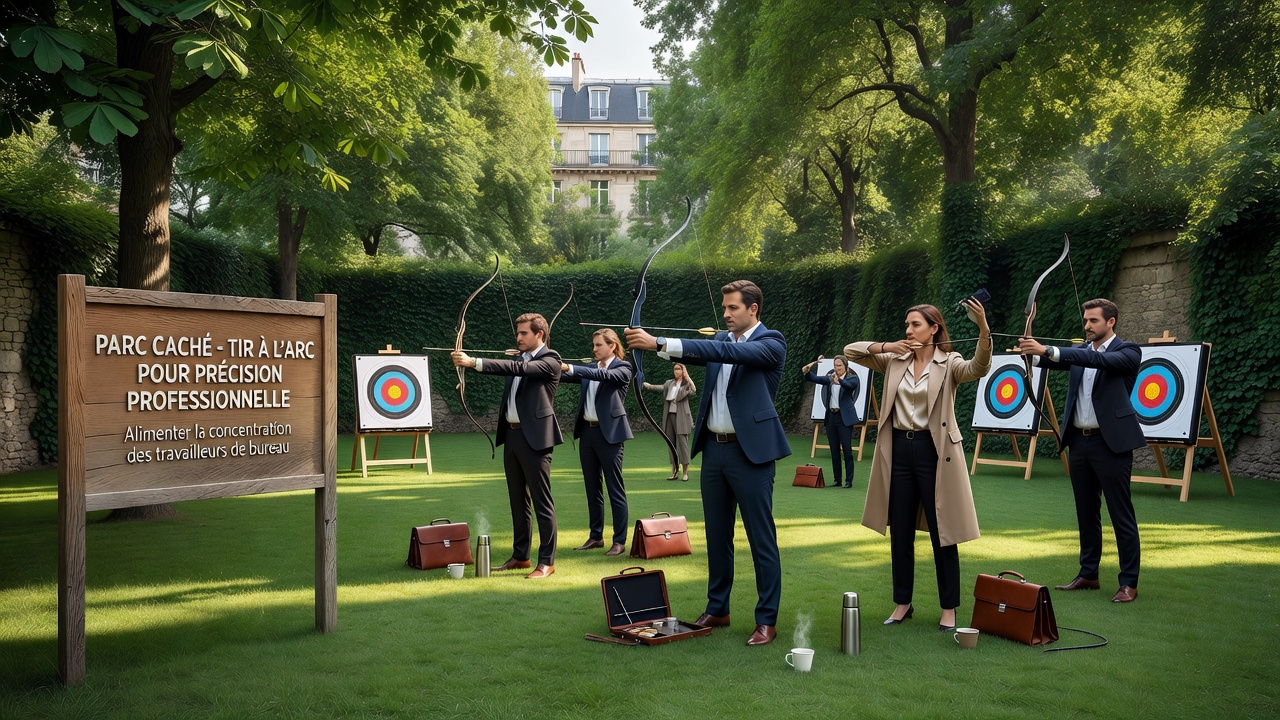
Employment surveys conducted by the French Ministry of Sports reveal that a growing share of participants hold administrative or desk-based roles in the financial and technology sectors clustered around the 8th and 9th arrondissements. One study tracking activity logs found that individuals who attend twice weekly demonstrate measurable gains in sustained attention tasks when tested after three months of regular practice. Sessions emphasize controlled breathing and stance alignment, elements that participants carry back to their workspaces according to follow-up interviews compiled by district recreation centers. November 2026 schedules include extended evening slots to accommodate end-of-year workload peaks, with additional introductory clinics added at three locations to handle increased demand during that period.
Research on Precision Training and Cognitive Benefits
Studies published through the Australian Institute of Sport document how repetitive aiming exercises correlate with improved executive function scores on standardized cognitive batteries, and similar findings appear in reports from the European Commission’s sport and health unit. Office workers who integrate archery into weekly routines report fewer instances of task-switching fatigue in self-tracked productivity apps, though researchers note that individual results vary based on consistency rather than intensity alone. Equipment standards follow International Archery Federation guidelines, which specify draw weights and arrow specifications that minimize injury risk while allowing progressive skill development. Those who have attended multiple seasons describe the activity as a deliberate pause that resets mental patterns accumulated during prolonged screen time, and attendance figures from the Paris parks department support sustained enrollment across age groups 25 to 45.
Community Networks and Skill Development
Local clubs affiliated with the ranges organize periodic skill assessments that feed into regional competitions, and registration data shows steady crossover from corporate wellness programs that subsidize participation fees. Instructors certified through the French Archery Federation deliver standardized curricula that start with basic safety protocols and advance to timed shooting sequences designed to replicate pressure situations. Observers note that group formats encourage peer feedback on form, which in turn reinforces the focus elements practiced during individual shots. November 2026 calendars list joint events with neighboring districts that combine range time with workshops on equipment tuning, expanding access for newcomers who may not yet own personal gear.
Access and Scheduling Details
Reservations occur through an online system managed by the Direction des Sports de la Ville de Paris, where users select time slots that fit around standard business hours. Equipment checkouts include brief safety orientations, and participants must complete a basic medical declaration before first use. Evening sessions in hidden park sections benefit from existing lighting infrastructure installed for general park security, allowing year-round operation except during extreme weather events tracked by Météo-France. Figures released by the municipal authority indicate that roughly 40 percent of current archers first learned about the ranges through workplace bulletin boards or internal newsletters distributed by human resources departments.
Conclusion
Archery facilities embedded in Paris’s quieter parks continue to serve as structured outlets for precision practice among office workers, supported by municipal infrastructure and aligned with documented cognitive training outcomes. Attendance trends through late 2026 suggest the activity remains integrated into district recreation offerings without requiring dedicated indoor venues. Those interested can consult the City of Paris sports portal for current availability and registration requirements, while additional context on national archery standards appears on the French Ministry of Sports site.