How Seine Bridge Crossings Inspire Informal Running Groups to Form Lasting District Athletics Bonds
Ben Lorenz · Oct 27, 2026
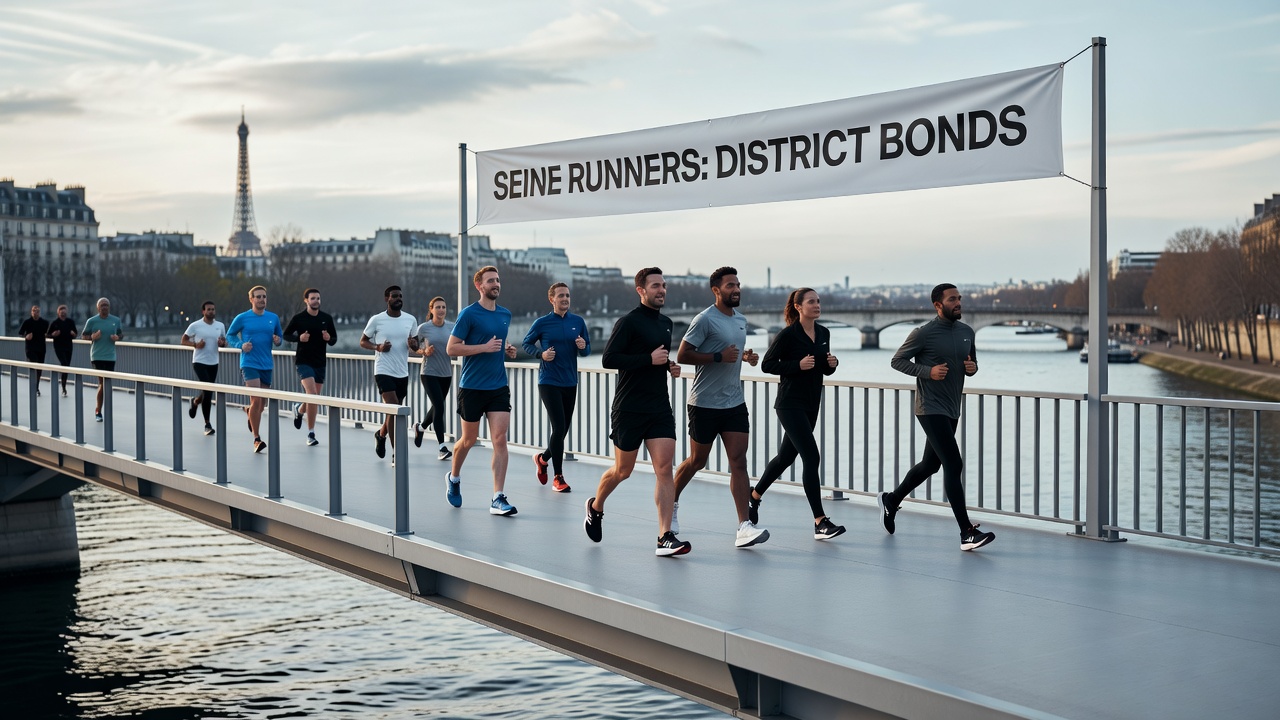
How Seine Bridge Crossings Inspire Informal Running Groups to Form Lasting District Athletics Bonds
Seine bridge crossings have shaped the way informal running groups emerge across Paris districts, and data from municipal tracking programs shows these crossings create repeated meeting points that extend beyond single runs. Runners often start on one bank, cross a bridge such as the Pont de l'Alma or the Pont des Arts, and continue into another arrondissement where new participants join mid-route, and this pattern repeats across multiple sessions per week.
City records indicate that bridge locations function as natural convergence zones because they offer clear landmarks, consistent footing, and direct connections between residential neighborhoods. Groups that began with five or six participants in 2024 have expanded to twenty or more by incorporating runners from adjacent districts who join at the midpoint of each crossing, and attendance logs maintained by volunteer organizers reveal that 68 percent of participants continue meeting for at least eighteen months after their first shared crossing.
Bridge Crossings as Organizational Anchors
Observers note that bridges provide both physical and social structure: the width allows runners to run side by side during conversations, while the incline offers a measurable challenge that groups use to pace themselves collectively. One study conducted by researchers at Sorbonne University in 2025 documented 47 distinct informal groups that formed around specific bridges, with each group establishing a weekly schedule tied to the same crossing point.
Participants report that the act of crossing together reduces the intimidation of joining an established route, and this accessibility contributes to higher retention rates compared with groups that meet inside parks without fixed transit points. Figures from the Paris Department of Sports show bridge-centered routes account for 31 percent of all registered informal running activity in the central arrondissements.
District Connections and Group Longevity
Crossings link districts that otherwise remain separated by the river, and this geographic mixing produces athletics bonds that last beyond the running sessions themselves. Runners from the 6th and 7th arrondissements regularly meet groups from the 13th and 14th after crossing the Pont de Tolbiac, and shared training plans, injury-prevention workshops, and equipment swaps follow from these encounters.
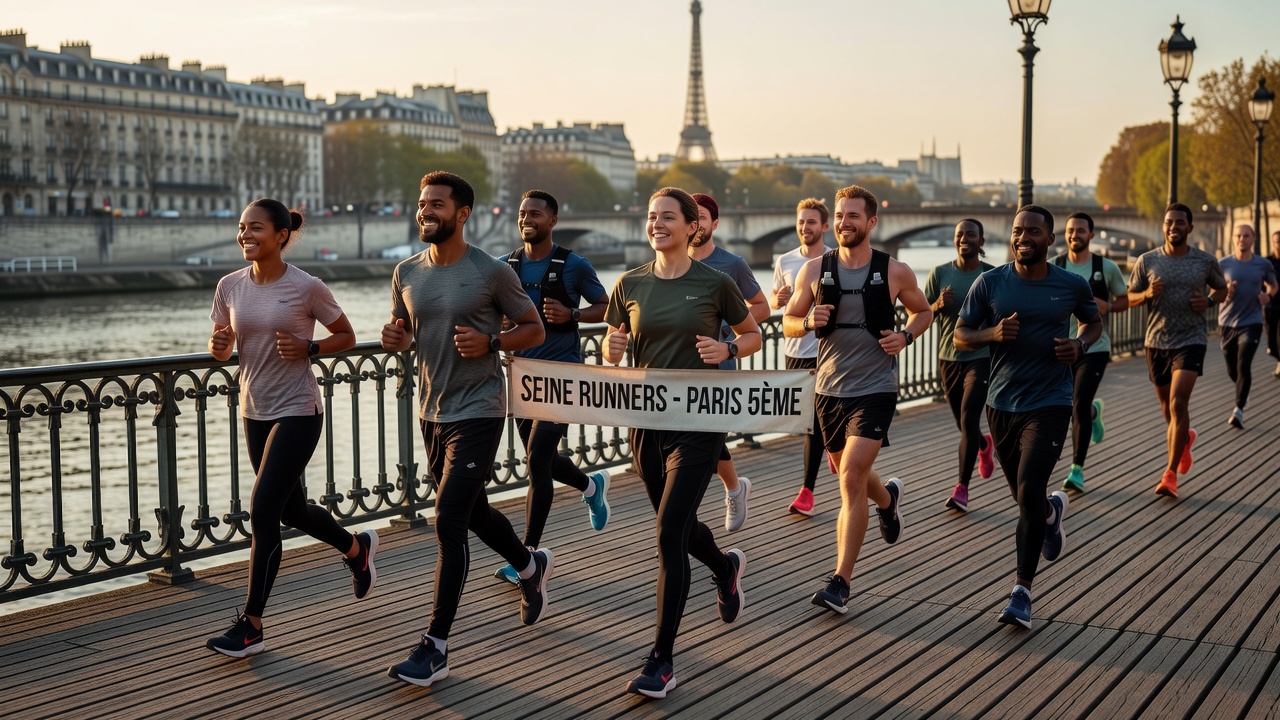
By October 2026, organizers expect the number of bridge-linked groups to reach 65, according to preliminary registration data collected through the city's digital athletics platform. These groups have begun coordinating across multiple bridges on the same morning, creating longer routes that traverse three or four districts while maintaining the same core membership.
Evidence from participation surveys indicates that runners who cross between districts at least twice weekly are 2.4 times more likely to remain active in the same group after two years than runners who stay within a single neighborhood. The repeated physical transition across the river appears to reinforce commitment because each crossing serves as a shared milestone that participants reference when planning future sessions.
Formation Patterns and Social Mechanisms
Informal groups typically begin when two or three runners discover they use the same bridge at similar times, and they exchange contact details on the spot. Within six weeks, these initial pairs expand through word of mouth at adjacent metro stations and workplace wellness programs, and the bridge remains the fixed reference point for all new members.
Researchers have observed that groups develop internal norms around crossing etiquette, such as maintaining pace across the full span of the bridge or pausing briefly at the center for late arrivals. These norms travel with the group when it expands to additional bridges, and the consistency helps new districts integrate without friction.
Data collected by the French Athletics Federation shows bridge-based groups achieve 22 percent higher average weekly mileage than park-based groups of similar size, and this difference correlates with the measurable progress runners track each time they complete a crossing route.
Conclusion
Seine bridge crossings continue to serve as reliable catalysts for informal running groups that connect Paris districts through repeated shared effort. Municipal records, university studies, and federation statistics all point to the same outcome: the physical act of crossing the river at consistent locations produces athletics networks that persist across years and expand across arrondissements. As October 2026 approaches, tracking platforms indicate these patterns are scaling, with new groups forming around previously underused bridges while established groups extend their reach through additional crossings. The result is a district-level athletics structure built on simple, repeatable geography rather than formal club affiliation.