Paris District Youth Football Initiatives Shape Emerging Athlete Pathways Through School Partnerships
Tina Schmid · Sep 15, 2026
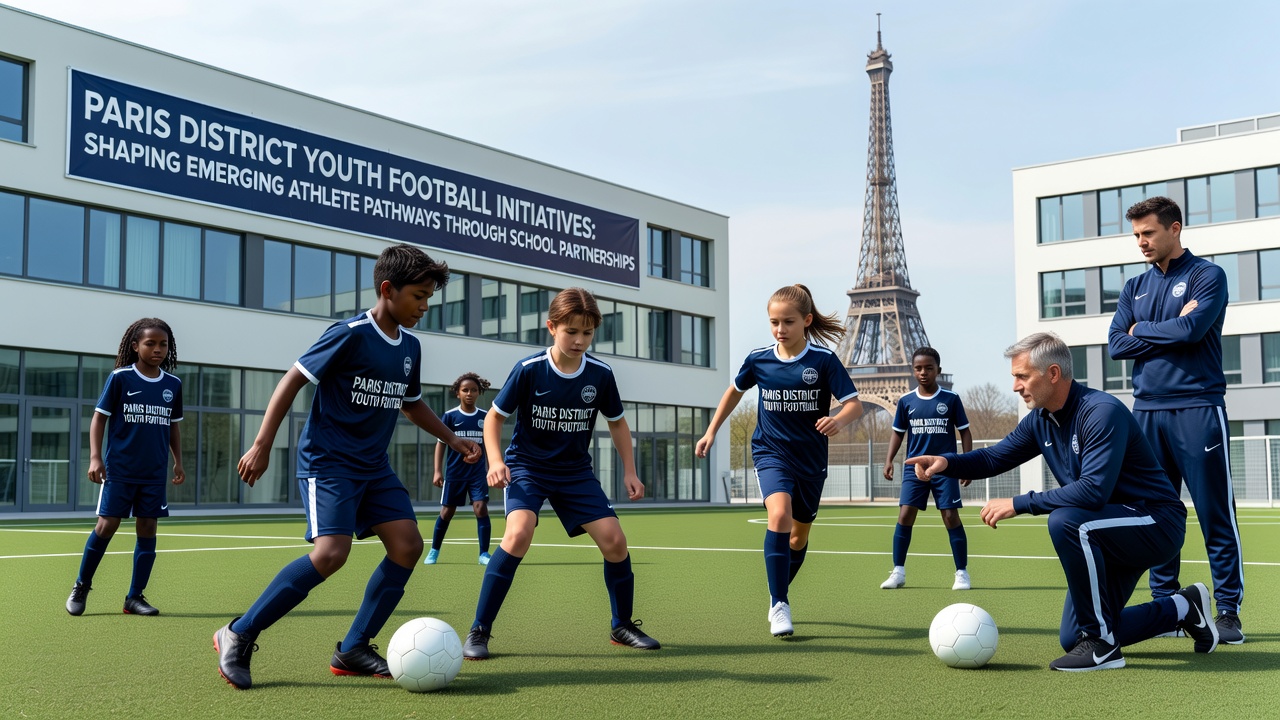
Paris District Youth Football Initiatives Shape Emerging Athlete Pathways Through School Partnerships
Paris district youth football programs have expanded through coordinated partnerships between municipal sports departments and public schools, creating structured pathways that connect early training sessions with competitive development opportunities. These initiatives operate across multiple arrondissements where local clubs collaborate with educational institutions to deliver after-school sessions, weekend tournaments, and talent identification events that align with academic calendars. Data from the French Ministry of Sports shows participation rates among students aged 8 to 14 rose steadily between 2022 and 2025 as schools integrated football modules into physical education curricula while clubs provided certified coaches and equipment.
Core Elements of District Programs
Each participating district maintains dedicated fields and indoor facilities that host weekly training blocks scheduled around school hours, allowing students to attend sessions without conflicting wth classes or homework requirements. Coaches emphasize technical skills alongside physical conditioning, and progress tracking systems record player performance metrics that feed into centralized databases used by regional selectors. Partnerships extend to nutrition workshops and injury prevention seminars delivered jointly by school nurses and club medical staff, ensuring young athletes receive consistent guidance across both environments.
Programs in the 13th, 18th, and 20th arrondissements illustrate the model in practice, where school grounds convert into satellite training sites during term time and clubs open their academies for holiday camps that maintain continuity. Observers note that these arrangements reduce travel barriers for families and increase retention, particularly among students from lower-income neighborhoods who previously faced limited access to organized sports.
Pathway Development and Talent Progression
Emerging athletes move through tiered stages that begin with district-level squads and advance to regional academies based on performance evaluations conducted twice each academic year. School partnerships supply academic support including tutoring schedules that accommodate training demands, while clubs offer scholarships covering kit, travel, and competition fees for selected players. Researchers tracking cohorts since 2021 report that participants in these linked programs show higher rates of selection for national youth teams compared with those entering through traditional club routes alone.
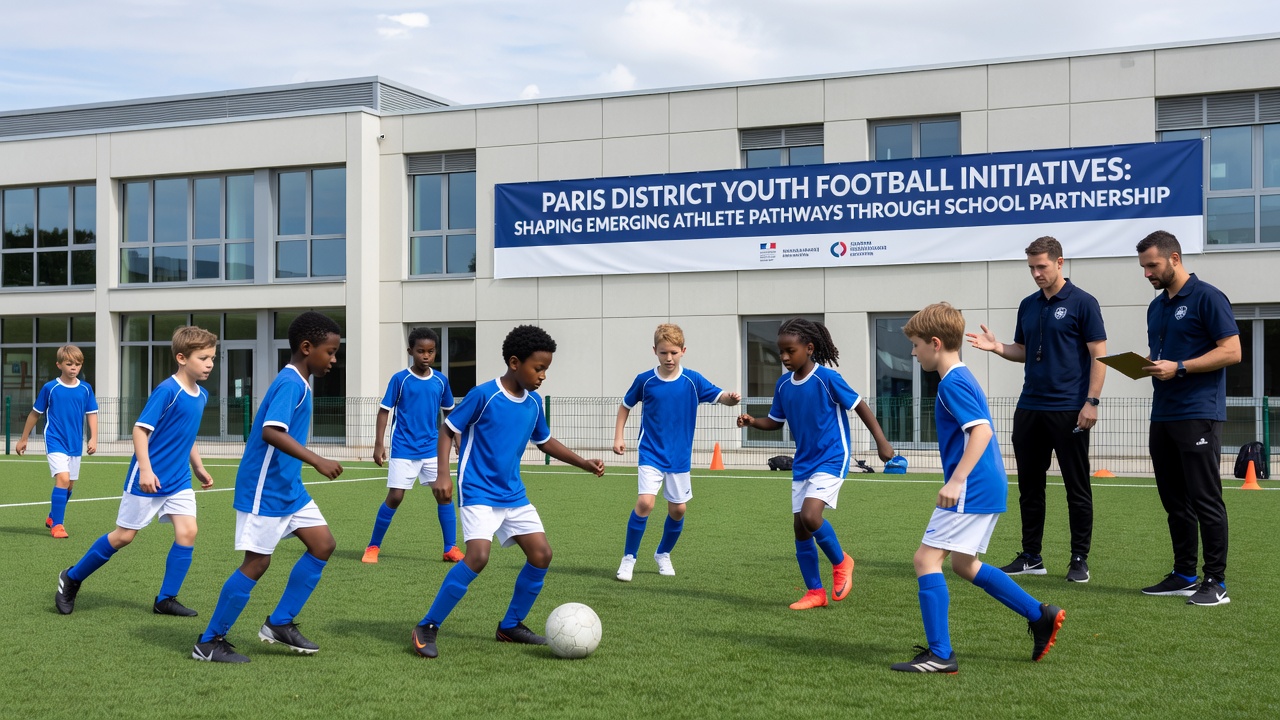
September 2026 marks the scheduled rollout of an expanded digital scouting platform that will connect school performance data directly with professional club recruitment networks, building on pilot projects already tested in three districts. This system will allow coaches to review video highlights and statistical profiles submitted through a secure portal managed jointly by education and sports authorities.
Supporting Infrastructure and Data Trends
Funding for these initiatives draws from municipal budgets, corporate sponsorships, and grants administered through regional sports bodies, with allocations tied to measurable outcomes such as player retention and academic achievement. Figures released by the French National Institute of Sport indicate that districts with active school-club agreements recorded a 17 percent increase in licensed youth players over the past three seasons, while dropout rates declined in the same period. Additional resources include equipment sharing agreements that allow schools to use club-standard balls and goals during physical education classes, reducing the need for separate purchases.
Case examples include the 15th arrondissement network, where three secondary schools partnered with a local professional club to create a combined under-12 squad that competes in inter-district leagues. Students receive academic monitoring alongside football development plans, and transition pathways lead directly into the club's youth academy for those who meet performance thresholds. Similar structures appear in other districts, each adapted to local demographics and available facilities.
Future Expansion Plans
Planning documents outline further growth through 2027, including additional coach certification programs for physical education teachers and new cross-district tournaments scheduled during school breaks. These developments build on existing frameworks without introducing separate administrative layers, keeping coordination between schools and clubs streamlined. Data collection will continue through standardized reporting templates that track both sporting and educational metrics, providing ongoing evidence for program adjustments.
Conclusion
Paris district youth football initiatives continue to evolve through sustained school partnerships that link grassroots participation with higher-level athlete development. Structured training, performance tracking, and support services operate within established educational and sporting systems, producing measurable increases in participation and progression rates. Expansion scheduled for September 2026 will incorporate new digital tools while maintaining the core model of integrated district and school collaboration.