Paris Public Tennis Facilities Foster Amateur Match Networks in Overlooked District Parks
Finley Lorenz · Oct 13, 2026
Paris Public Tennis Facilities Foster Amateur Match Networks in Overlooked District Parks
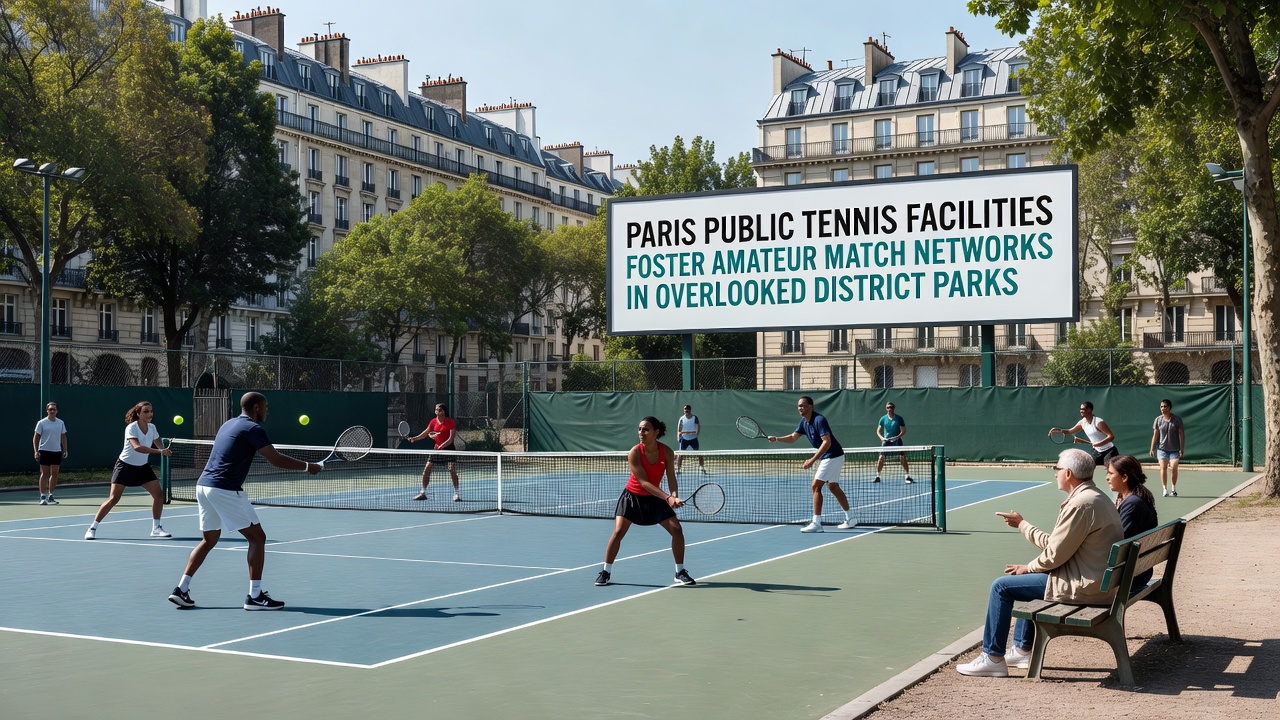
Public tennis courts scattered across lesser-known district parks in Paris have become hubs for amateur match networks that connect local residents through informal play and scheduled games. Data from the City of Paris shows more than 250 public courts operate in arrondissements such as the 13th, 19th, and 20th, where green spaces receive steady but not overwhelming foot traffic compared with central tourist areas.
These facilities support weekly rotations of doubles and singles matches that participants arrange through neighborhood bulletin boards and simple smartphone groups. Observers note consistent turnout on weekday evenings and weekend mornings, with players ranging from students to retirees who fill open slots without formal club membership.
District Park Layouts and Court Availability
Many overlooked parks feature four to six courts grouped near walking paths yet away from major boulevards. The layout allows easy observation of ongoing games, which in turn encourages passersby to join waiting lists posted on site. City records indicate that reservations through the Paris tennis booking system account for roughly 60 percent of court time, leaving the remainder open for walk-up play that fuels spontaneous networks.
Maintenance schedules keep surfaces in playable condition year-round, with resurfacing cycles documented every 18 months according to municipal reports. Lighting extends evening access until 10 p.m. during summer months, and data shows a measurable rise in participation after these installations in several eastern districts.
Match Networks Form Through Routine Use
Amateur players frequently establish recurring pairings after initial encounters on shared courts. One documented pattern involves groups of six to eight individuals who rotate opponents across consecutive weeks, creating small leagues that operate without paid oversight. Researchers tracking urban recreation patterns have recorded similar self-organized systems in comparable European cities, though Paris examples stand out for their density within residential neighborhoods.
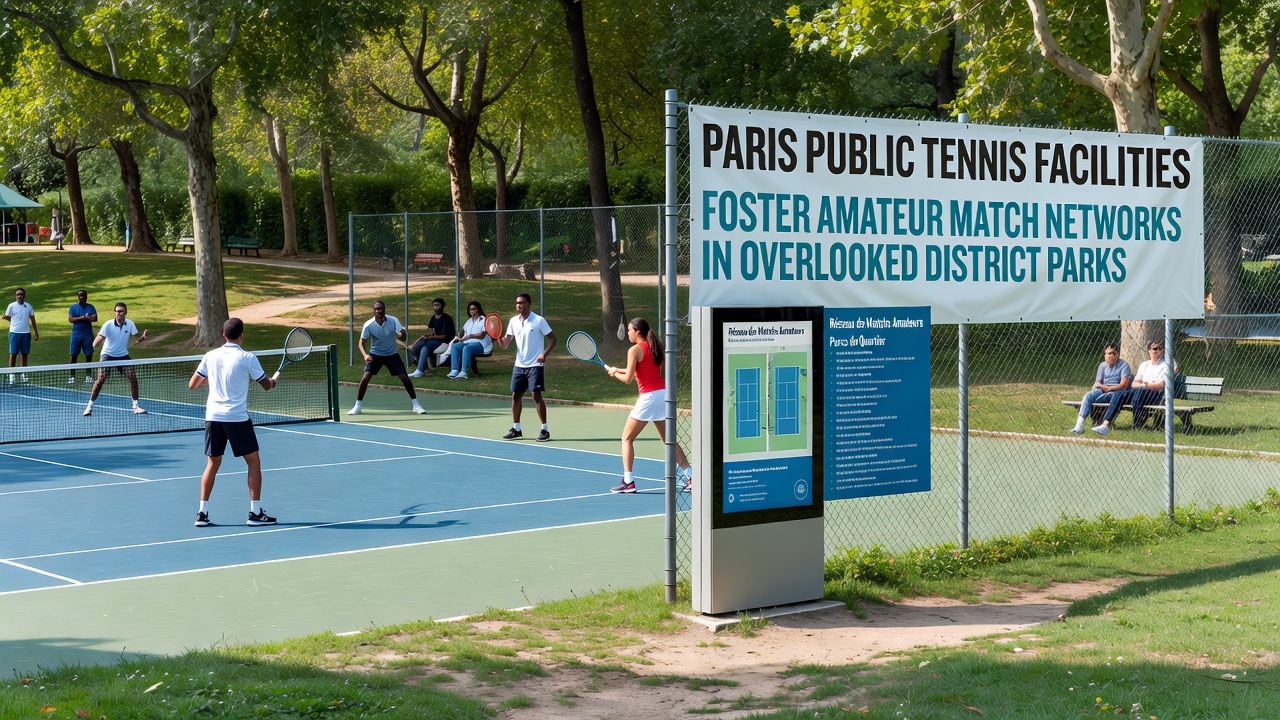
Sign-up sheets taped to court fences serve as the primary coordination tool, supplemented by occasional text messages among regulars. This low-tech approach keeps barriers low while still producing reliable attendance. Figures from the French Tennis Federation reveal that public-court users in Paris represent nearly 40 percent of total amateur players in the Île-de-France region, underscoring the role of district facilities in broader participation trends.
October 2026 Programming and Seasonal Shifts
City planners have scheduled additional free coaching sessions at select district courts during October 2026 to accommodate increased demand after summer holidays. These sessions run alongside existing match networks rather than replacing them, allowing experienced players to mentor newcomers during off-peak hours. Municipal calendars list the programs running through the end of the month, with registration handled at park kiosks.
Weather data from Météo-France indicates mild autumn temperatures that extend outdoor play into late October, supporting steady network activity before winter adjustments. Parks in the 19th arrondissement, for instance, report continued doubles matches on weekends even as daylight shortens.
Equipment Access and Community Resources
Many district parks provide loaner rackets and balls through on-site attendants or simple deposit systems. This reduces startup costs for occasional participants and helps sustain network growth among younger residents. Supply logs maintained by park staff show steady turnover of these items, particularly during back-to-school periods when student involvement rises.
Adjacent community centers sometimes host strategy discussions or basic rule refreshers that feed back into court activity. These sessions occur in multipurpose rooms and draw from the same pool of park users who already frequent the tennis facilities.
Conclusion
Public tennis infrastructure in Paris district parks continues to underpin amateur match networks that operate largely outside formal club structures. Participation figures, reservation patterns, and seasonal programming together demonstrate how everyday court access translates into recurring social connections across multiple neighborhoods. Ongoing municipal support through maintenance and targeted October 2026 sessions positions these overlooked spaces as steady contributors to local recreational life.