Warehouse Conversions Create Multi-Sport Hubs Supporting Handball and Volleyball Cross-Training in Paris Districts
Finley Lorenz · Nov 24, 2026
Warehouse Conversions Create Multi-Sport Hubs Supporting Handball and Volleyball Cross-Training in Paris Districts
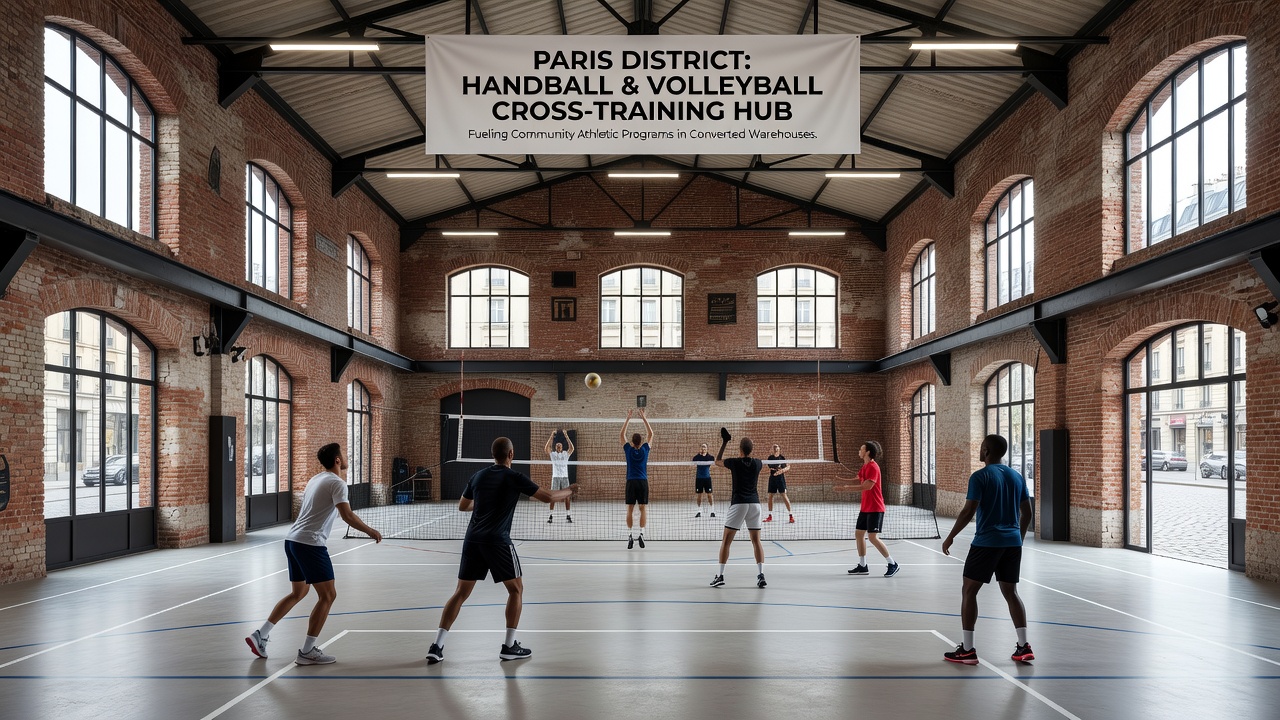
Former industrial warehouses across several Paris districts now function as multi-sport hubs that accommodate handball and volleyball cross-training programs, and city planning records indicate these adaptations began accelerating after 2020 when underused commercial properties became available for lease conversions. Data from the Paris urban development office shows that more than 25 such sites received approvals between 2021 and 2025, with many located in the 13th, 18th, and 19th arrondissements where large floor plates and high ceilings suited court installations without major structural changes.
Conversion Process and Infrastructure Details
Architectural firms handling these projects typically retain original steel frameworks while adding modular flooring systems that allow quick reconfiguration between handball and volleyball setups, and ventilation upgrades plus acoustic panels address noise concerns for neighboring residential buildings. Electric and plumbing retrofits follow standards set by the French Ministry of Sports, which published guidelines in 2023 on adaptive reuse of commercial spaces for athletic use. Observers note that these changes reduce construction timelines compared with new builds, often completing within 12 to 18 months once permits clear.
Cross-Training Programs and Athlete Participation
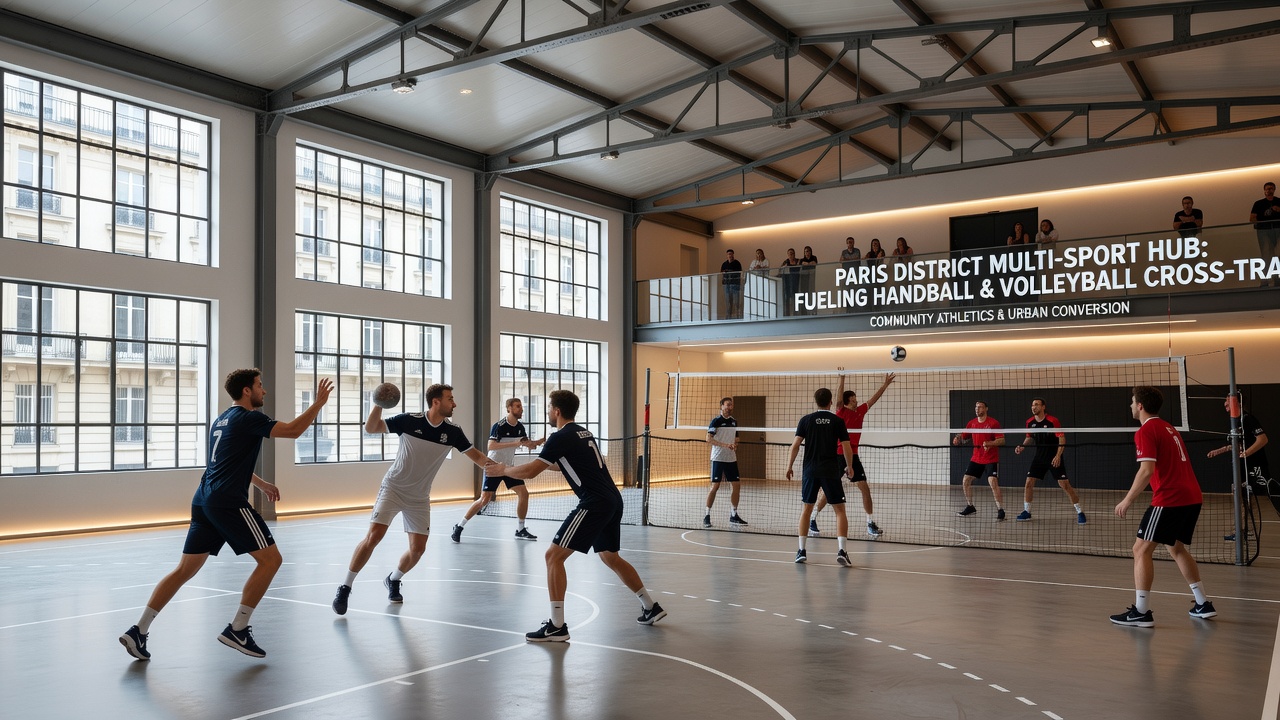
Handball and volleyball clubs operating in the converted spaces coordinate joint sessions that emphasize shared skills such as explosive lateral movement, overhead striking, and defensive positioning, and schedules posted by district sports offices list regular cross-training blocks on weekday evenings plus weekend workshops. Participation figures released by the Paris regional sports authority indicate combined enrollment in these programs rose from roughly 1,800 athletes in 2022 to over 4,200 by mid-2025, with the largest gains recorded among 14- to 22-year-old participants. Training blocks often alternate between full-court handball drills and volleyball-specific net work within the same facility, allowing coaches to monitor transfer effects on speed and coordination without requiring athletes to travel between venues.
Equipment suppliers report increased demand for portable goalposts and adjustable net systems that fit the flexible court layouts, while lighting upgrades meet competition-level lux requirements for both sports. District coordinators track injury rates and performance metrics through standardized reporting forms submitted quarterly, and preliminary analyses suggest participants in cross-training groups show measurable gains in vertical leap and reaction time compared with single-sport peers.
District-Level Networks and Scheduling
Local clubs share court time through centralized booking platforms managed by arrondissement sports departments, which allocate slots based on registered team counts and competition calendars. November 2026 programming includes expanded evening sessions ahead of regional qualification events, and facility managers have added extra staff to handle increased foot traffic during peak months. Partnerships with nearby secondary schools feed younger athletes into these hubs, creating a pipeline that supplies both recreational and competitive squads. Transportation data from the RATP shows improved access via metro lines serving the converted sites, reducing average commute times for participants coming from adjacent neighborhoods.
Funding Mechanisms and Operational Models
Public-private financing covers most conversion costs, with grants from the Île-de-France region supplementing private investment from property owners seeking long-term tenants. Operating agreements require hubs to reserve at least 30 percent of peak hours for district youth programs, a stipulation verified through annual audits by the city sports commission. Energy consumption reports filed with the regional environmental agency document lower per-square-meter usage after LED retrofits and improved insulation, contributing to reduced operating expenses that help keep user fees stable.
Maintenance teams follow rotation schedules that include daily court resurfacing and monthly equipment inspections, and user feedback collected through digital surveys influences minor layout adjustments such as added seating or storage zones. These operational details appear in quarterly summaries published on district websites, allowing other municipalities to reference the Paris approach when planning similar adaptive projects.
Conclusion
Records maintained by the Paris regional sports authority and partner organizations document steady growth in warehouse-to-sports-hub conversions that now support integrated handball and volleyball training across multiple districts. Participation statistics, infrastructure specifications, and scheduling frameworks continue to evolve through 2026, with November programs reflecting the cumulative effect of these adaptations on local athletic networks. External references such as French Ministry of Sports guidelines and International Olympic Committee facility studies provide broader context for the technical and organizational standards applied in these Paris locations.